






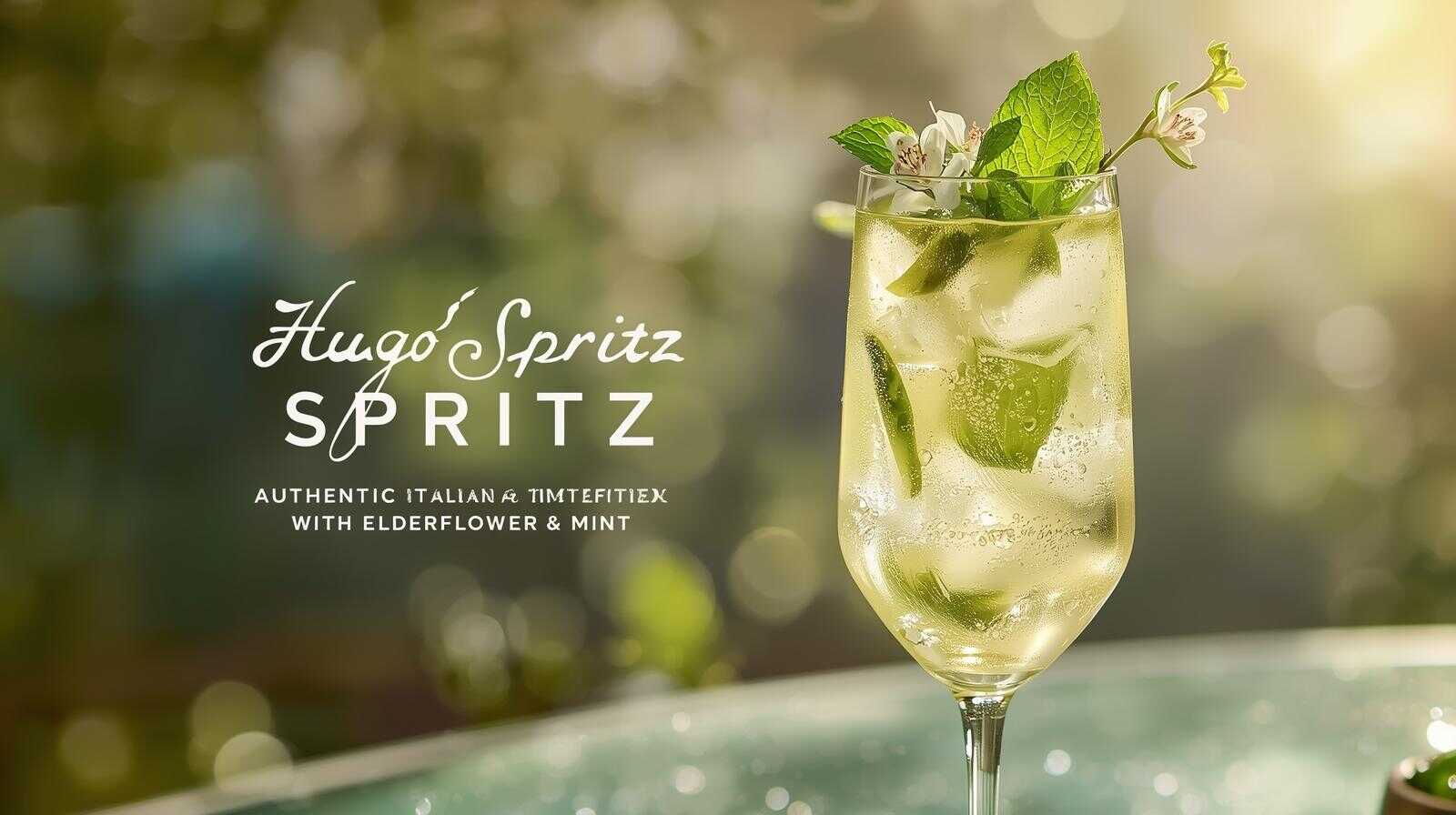
Hugo Spritz recipe is a refreshing Italian cocktail that has captured the hearts of cocktail enthusiasts around the world. Known for its light, sparkling taste, and aromatic blend of elderflower, mint, and Prosecco, this cocktail is perfect for summer brunches, outdoor gatherings, or simply a relaxing evening at home. Unlike other spritzes such as Aperol or Campari, the Hugo Spritz balances sweetness, citrus, and fizz in a delicate and refreshing way. In this article, we’ll explore the authentic recipe, ingredient secrets, variations, and expert tips to help you craft the perfect Hugo Spritz.
What Is a Hugo Spritz? (Origin, Flavor & Italian Aperitivo Culture)
The Hugo Spritz is a modern twist on the classic Italian spritz cocktail, originating in the northern regions of Italy, particularly South Tyrol. It is traditionally served during aperitivo hour, a time dedicated to enjoying drinks and light snacks before dinner. Its flavor profile is distinctively light, refreshing, and minty, with a subtle sweetness from elderflower liqueur or syrup.
Unlike other spritz cocktails like the Aperol Spritz, which is slightly bitter, the Hugo Spritz leans towards aromatic freshness. It uses Prosecco as the base, combined with soda water, fresh mint, and lime, creating a cocktail that is both effervescent and elegant. The Hugo Spritz has become a global favorite, especially during summer brunches, pool parties, and casual gatherings.
Ingredients for the Perfect Hugo Spritz
The success of a Hugo Spritz lies in the quality of its ingredients. Using fresh, high-quality components ensures a bright, flavorful cocktail. Here’s a table outlining the classic ingredients:
| Ingredient | Quantity | Notes |
|---|---|---|
| Prosecco | 90 ml (3 oz) | Use chilled, dry or extra dry |
| Elderflower liqueur (St-Germain) | 30 ml (1 oz) | Can substitute with elderflower syrup |
| Soda water | 60 ml (2 oz) | Adds refreshing fizz |
| Fresh mint leaves | 6–8 leaves | Gently muddled to release aroma |
| Lime slices | 1–2 slices | Adds citrus freshness |
| Ice cubes | As needed | Use large cubes to avoid quick dilution |
| Optional gin | 15 ml (0.5 oz) | For a slightly stronger variation |
| Garnish | Extra mint sprig or lime wheel | Enhances visual appeal |
Pro Tips: Using fresh herbs and chilling your glassware enhances both aroma and presentation. Large ice cubes slow melting, keeping the drink crisp.
Step-By-Step Hugo Spritz Recipe (Classic Version)
Making a Hugo Spritz is simple but requires attention to detail to preserve the delicate flavors.
- Chill the glass to keep your cocktail cold longer.
- Place ice cubes in the glass, followed by fresh mint leaves. Gently muddle the mint to release its aroma without tearing the leaves.
- Add the elderflower liqueur or syrup, ensuring even distribution over the ice.
- Pour in the chilled Prosecco slowly to preserve its natural effervescence.
- Top with soda water and gently stir to combine flavors.
- Garnish with a lime wheel and mint sprig for a visually appealing presentation.
This classic Hugo Spritz is light, refreshing, and perfect for summer gatherings, balancing sweetness and acidity with a sparkling finish.
Hugo Spritz Variations & Creative Twists
While the classic Hugo Spritz is exceptional, experimenting with variations can elevate your cocktail game:
Non-alcoholic Hugo Spritz: Replace Prosecco with sparkling water or a non-alcoholic sparkling wine, keeping the mint and elderflower for flavor.
Hugo Spritz with Gin: Add 15 ml of gin to the traditional recipe for a stronger, botanical-forward cocktail.
Seasonal Fruit Twists: Incorporate raspberries, strawberries, or basil leaves for a fresh seasonal spin.
Low-Alcohol Hugo Spritz: Reduce the amount of elderflower liqueur or Prosecco to make a lighter version suitable for daytime events.
These variations allow flexibility, catering to different tastes, dietary restrictions, and occasions.
Hugo Spritz vs Aperol Spritz vs Other Spritz Cocktails
Understanding how the Hugo Spritz differs from other spritzes can help you choose the right cocktail for the occasion:
| Cocktail | Ingredients | Flavor | Alcohol Content |
|---|---|---|---|
| Hugo Spritz | Prosecco, elderflower liqueur, mint, soda water, lime | Light, aromatic, slightly sweet | Low |
| Aperol Spritz | Prosecco, Aperol, soda water, orange slice | Bitter-sweet, citrusy | Moderate |
| Campari Spritz | Prosecco, Campari, soda water, orange | Bitter, strong, herbal | Moderate |
| Limoncello Spritz | Prosecco, limoncello, soda water, lemon | Sweet, citrusy | Moderate |
The Hugo Spritz stands out for its refreshing mint and floral elderflower notes, making it an ideal summer aperitivo cocktail.
Tips for the Best Hugo Spritz
To craft the perfect Hugo Spritz, follow these expert tips:
- Use high-quality Prosecco to maintain delicate bubbles.
- Gently muddle mint to release aroma without bitterness.
- Chill both the glass and ingredients for optimal refreshment.
- Adjust sweetness with elderflower syrup according to taste.
- Avoid over-stirring to preserve carbonation.
Following these tips ensures a cocktail that is both flavorful and visually appealing.
Glassware, Serving & Presentation
The right glass enhances both flavor and presentation:
Recommended Glass Types: Wine glasses, balloon glasses, or highball glasses.
Serving Temperature: Serve chilled for maximum refreshment.
Garnish Ideas: Fresh mint sprigs, lime or lemon wheels, or even seasonal berries enhance aesthetics and aroma.
Pairing Suggestions: Serve Hugo Spritz with cheese boards, light appetizers, bruschetta, or seafood to complement its refreshing profile.
READ MORE >>> Burmese Marinated Beef: Authentic Recipe, Ingredients & Cooking Tips
Occasions & Lifestyle Ideas for Hugo Spritz
Hugo Spritz is ideal for various occasions, including:
- Summer brunches: Perfect alongside light breakfast or brunch dishes.
- Pool parties and outdoor gatherings: Its refreshing taste makes it a summer favorite.
- Weekend aperitivo: Ideal for unwinding with friends or family.
- Beginner-friendly cocktail parties: Easy to make and visually impressive.
Its versatility makes it a must-have cocktail for casual and festive events.
Common Mistakes & Troubleshooting
| Problem | Cause | Solution |
|---|---|---|
| Too sweet | Excess elderflower syrup | Reduce syrup or increase soda water |
| Flat bubbles | Over-stirring or warm Prosecco | Chill ingredients and stir gently |
| Overpowering mint | Too much muddling | Gently press mint, don’t tear |
| Weak flavor | Low-quality Prosecco or liqueur | Use fresh, high-quality ingredients |
Avoiding these mistakes ensures a balanced and refreshing cocktail every time.
Ingredient Spotlight & Flavor Science
The science of the Hugo Spritz lies in balancing its core ingredients:
- Elderflower Liqueur vs Syrup: Liqueur adds complexity and slight alcohol; syrup is sweeter and non-alcoholic.
- Prosecco: Provides the effervescent base essential for spritz cocktails.
- Mint & Lime: Mint releases essential oils when lightly muddled; lime adds bright acidity to balance sweetness.
Understanding ingredient interaction helps achieve a perfectly balanced flavor profile.
Nutrition & Alcohol Content
| Nutrient | Classic Hugo Spritz (1 serving) | Notes |
|---|---|---|
| Calories | 150–180 kcal | Depends on syrup vs liqueur |
| Sugar | 10–12 g | Can be reduced using syrup alternatives |
| Alcohol | 5–8% | Low-alcohol cocktail |
| Carbohydrates | 10–12 g | From liqueur or syrup |
| Fat | 0 g | Virtually fat-free |
Tips: Use low-sugar syrup or non-alcoholic sparkling wine for a lighter, healthier version.
Fun Facts & History About Hugo Spritz
The Hugo Spritz was created in the early 2000s in South Tyrol, Italy, as a refreshing alternative to the Aperol Spritz. Its popularity quickly spread across Europe and beyond due to its light, aromatic, and visually appealing profile. Today, it is often associated with summer parties, brunches, and stylish aperitivo hours.
Outside Examples of Italian Spritz Cocktails
Other spritz variations include:
- Campari Spritz: Stronger, bitter, herbal notes.
- Limoncello Spritz: Sweet, citrus-forward, ideal for summer.
- Seasonal Elderflower Spritz: Incorporates berries or fresh herbs for a unique twist.
These variations help cocktail enthusiasts explore new flavors while appreciating the classic Hugo Spritz.
Quick Tips for Beginners
- Make Hugo Spritz in under 5 minutes using pre-chilled ingredients.
- Garnish creatively with mint sprigs, lime wheels, or edible flowers.
- Scale the recipe for large gatherings without losing quality.
- Serve immediately for maximum fizz and flavor.
Frequently Asked Questions (FAQ) for Hugo Spritz
Is Hugo Spritz strong?
It is a light cocktail, lower in alcohol than most spritzes.
Can I make it non-alcoholic?
Yes, use sparkling water or non-alcoholic Prosecco.
What glass is best for serving?
Wine glasses or balloon glasses enhance aroma and presentation.
How long does it last?
Best consumed immediately after preparation; fizz decreases over time.
What is the difference between Hugo Spritz and Aperol Spritz?
Hugo Spritz is minty and floral, while Aperol Spritz is bitter-sweet with orange notes.
How to adjust sweetness?
Modify the amount of elderflower syrup or liqueur according to taste.
Conclusion
The Hugo Spritz is a refreshing, aromatic, and versatile cocktail perfect for any occasion. With its combination of Prosecco, elderflower, mint, and lime, it offers a balanced and light alternative to traditional spritz cocktails. By following the authentic recipe, exploring variations, and applying expert tips, anyone can craft a delicious Hugo Spritz at home. Try this recipe for your next brunch, summer party, or aperitivo hour, and experience the taste of Italy in every sip.