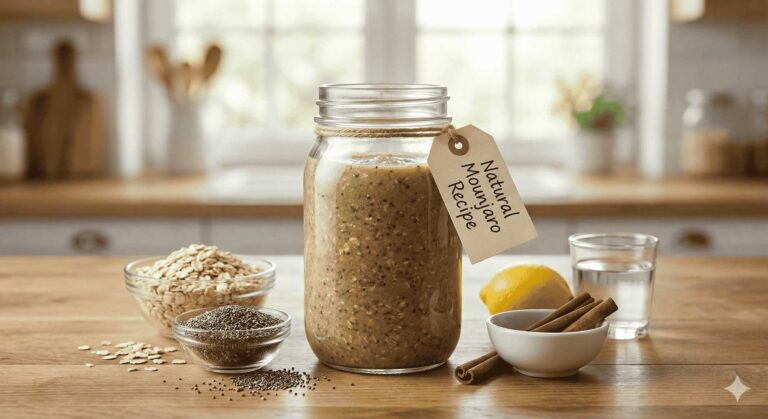






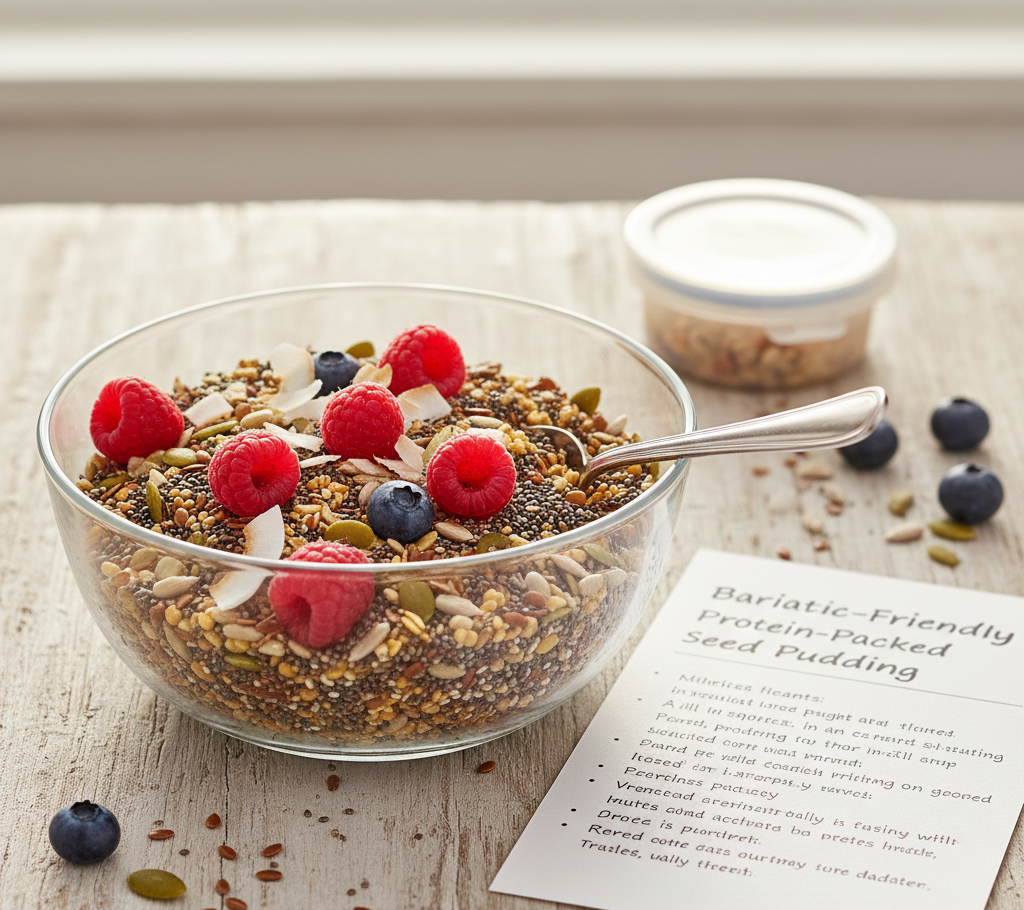
The safest and most nutrient-dense bariatric seed recipe is a gentle, gel-like Chia seed pudding for bariatric patients, designed for soft texture and easy digestion. This low-sugar recipe includes protein powder to create a true high-protein bariatric dessert while providing valuable Omega-3s after surgery. Always practice strict portion control and consult your bariatric team before adding seeds.
Recovering from bariatric surgery often brings up the same question: What can I eat that is gentle, nourishing, and still feels like a treat? As a Registered Bariatric Dietitian, I understand the need for foods that offer maximum nutrition in a small, soft portion, especially when your stomach is newly healing.
This is where the bariatric seed recipe—a high-protein chia pudding—shines. Chia seeds swell into a smooth, gel-like consistency that is far more tolerable than crunchy seeds, while delivering protein, fiber, and Omega-3s in an incredibly small serving. When mixed with the right liquid and protein powder, it becomes a safe, comforting option as you transition through post-op stages under professional guidance.
Why Seeds? Omega-3s After Surgery and Fiber
Chia and flax seeds are tiny but powerful. Just one tablespoon of chia brings:
- Plant-based Omega-3 fatty acids (helpful for inflammation and healing)
- Gentle, soluble fiber (supports regularity without harsh bulk)
- A mild flavor that blends easily into puddings or soft-texture meals
Crucial Texture Check: Chia Seed Pudding for Bariatric
Texture is everything after bariatric surgery. Unlike whole flax or crunchy seeds—which can be irritating and unsafe early on—chia seeds absorb liquid, becoming soft and pudding-like. This makes them far easier to tolerate and safer to introduce only when your surgical team approves, typically in a puréed or soft-food stage.
Prioritizing Protein: Making It a High-Protein Bariatric Dessert
To truly support your healing, we enrich this pudding with:
- Unflavored whey isolate,
- Collagen peptides, or
- A bariatric-approved protein powder.
This transforms the pudding from a light snack into a high-protein bariatric dessert, helping you reach your protein goals while still enjoying a gentle, soothing food.
Portion control matters:
Because chia absorbs liquid and expands, a typical bariatric portion is just 2–4 tablespoons of prepared pudding at a time. Eat slowly, listen to your body, and stop at the first sign of fullness.
The Full Recipe: High-Protein Chia Seed Pudding (Bariatric-Friendly)
Below is the complete soft-texture, low-sugar, nutrient-dense pudding designed for post-operative needs.
INGREDIENTS & INSTRUCTIONS
| Ingredients | Amount | Notes |
| Unsweetened almond milk (or skim milk) | ½ cup | Choose low-sugar, high-protein milk if tolerated |
| Chia seeds | 1 tablespoon | Provides fiber + Omega-3s; do not increase portion |
| Unflavored whey isolate OR collagen peptides | 1 scoop (½–1 scoop depending on brand) | Use bariatric-approved powder |
| Vanilla extract | ⅛ teaspoon | Optional flavor |
| Zero-calorie sweetener OR 1 teaspoon honey | To taste | Keep sugars low |
| Ground cinnamon | Pinch | Optional |
| Greek yogurt (optional) | 1 tablespoon | Adds creaminess & more protein if tolerated |
| Step-by-Step Instructions | Details |
| 1. Mix the liquid + protein powder | Whisk until completely dissolved to avoid clumping. |
| 2. Add chia seeds and sweetener | Stir thoroughly to prevent settling at the bottom. |
| 3. Let mixture rest 5 minutes, stir again | Ensures even swelling and smooth texture. |
| 4. Refrigerate 2–4 hours | Pudding becomes gel-like and soft (bariatric-safe texture). |
| 5. Portion carefully | Serve 2–4 tablespoons at a time. |
| 6. Optional: Top with 1–2 soft berries | Only if approved and well-tolerated. |
Yield: ~½ cup total pudding (multiple bariatric portions).
Texture Goal: silky, gel-based, no lumps.
Read also <<< Ronzoni Lasagna Recipe
FAQ Section
1. When can I start adding seeds after surgery?
Only when your surgical team explicitly approves. For many patients, this is during the puréed or soft-food stage after 4–6 weeks, but timing varies.
2. Are whole flax seeds safe?
Whole flax seeds are harder to digest. If using flax, choose ground flaxseed, and ensure it softens in liquid. Always confirm with your dietitian first.
3. Why is portion control so important with seeds?
Seeds expand in liquid and can cause discomfort or fullness quickly. Start with very small servings and stop eating at the first sign of pressure.
4. Can I use Greek yogurt instead of milk?
Yes—if your program allows dairy at your current stage. Greek yogurt boosts protein and makes the pudding thicker and creamier.
Mandatory Medical Disclaimer
This article is not medical advice. Every bariatric patient progresses differently, and seed introduction must be approved by your surgeon, program dietitian, or medical team. Always follow your specific post-op guidelines.
Conclusion
A well-made chia pudding can be one of the safest and most nourishing options for early post-operative nutrition. With its soft texture, protein boost, and healthy fats, this bariatric seed recipe supports healing while delivering gentle satisfaction in every spoonful.
Use this recipe to meet your protein goals and enjoy a comforting, nutrient-dense treat—but always check with your bariatric team first.