






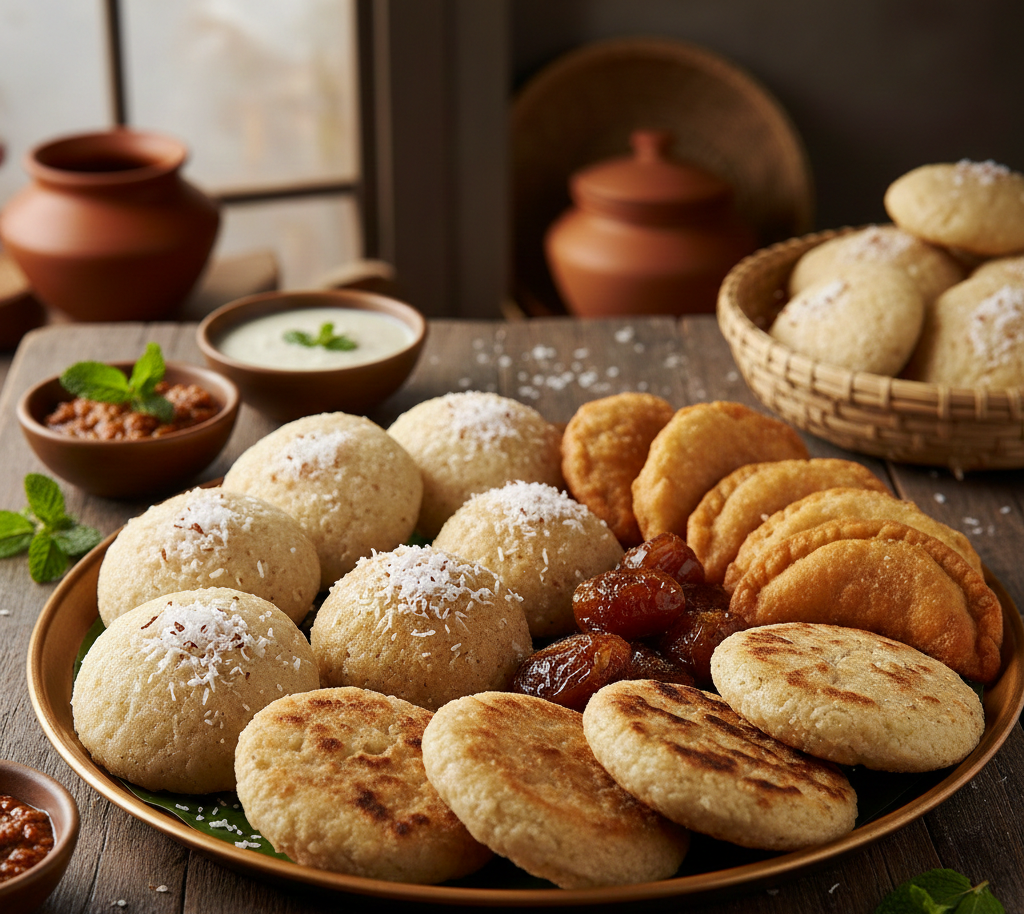
If you’ve ever come across the term South Asian rice cake, you might be surprised by just how diverse, flavorful, and culturally rich this humble dish truly is. Found in countries like India, Pakistan, Sri Lanka, Bangladesh, Nepal, and even reaching into Southeast Asia, rice cakes are made in countless forms—steamed, fried, fermented, sweet, savory, or stuffed.
From Sri Lankan Kiribath to South Indian Idli to Bangladeshi Pitha, rice cakes play an important role in tradition, festivals, and everyday meals. In this guide, you’ll learn everything about South Asian rice cakes, including a complete recipe, regional variations, cooking tips, and answers to common questions—including the fun fact that the term appears often in the South Asian rice cake crossword clue.
What Exactly Is a South Asian Rice Cake?
A South Asian rice cake is generally made using:
- Rice or rice flour
- Coconut or lentils (optional)
- Water
- Salt or sweeteners
- Spices depending on the region
These cakes are typically steamed, giving them a light, fluffy, and slightly chewy texture. The simplicity of ingredients makes them naturally gluten-free and easy to digest.
The most popular version internationally is the South Indian idli, but many other types exist—each uniquely delicious.
South Asian Rice Cake Recipe
Below is a universally inspired version that blends elements from idli, pitha, and kiribath—simple, authentic, and perfect for beginners.
South Asian Rice Cake Recipe Table
| Component | Ingredients | Quantity |
| Base Batter | Rice (raw) | 1 cup |
| Urad dal (optional for fluffiness) | ¼ cup | |
| Water (for soaking & blending) | As needed | |
| Salt | ½ tsp | |
| Optional Flavor Enhancers | Grated coconut | ¼ cup |
| Fenugreek seeds | ¼ tsp | |
| Sugar (for sweet version) | 2 tsp | |
| Steaming | Oil (for greasing molds) | 1–2 tsp |
How to Make South Asian Rice Cake (Step-by-Step)
1. Soak the Ingredients
- Wash the rice and optional urad dal 2–3 times.
- Soak for 6 hours or overnight for the softest texture.
2. Blend into a Batter
- Drain the water.
- Blend rice/dal with ½–1 cup of water until smooth but slightly grainy.
- Add salt.
- Add optional coconut or spices depending on the version you want.
3. Ferment (Optional but Recommended)
- Let the batter rest for 6–10 hours in a warm place.
- Fermentation gives fluffiness and deeper flavor.
4. Steam the Rice Cakes
- Grease idli plates, small steel bowls, or ramekins.
- Pour batter halfway into molds.
- Steam for 10–12 minutes.
- Insert a toothpick—if it comes out clean, they’re done.
5. Serve Fresh
- For savory: Serve with coconut chutney, curry, or sambhar.
- For sweet: Drizzle with coconut milk, jaggery syrup, or honey.
Regional Variations of South Asian Rice Cake
1. Idli (South India)
Soft, steamed cakes made from fermented rice and urad dal batter.
2. Kiribath (Sri Lanka)
Coconut milk rice cake traditionally served during celebrations.
3. Pitha (Bangladesh)
Dessert or savory rice cakes—steamed, fried, or filled with coconut and jaggery.
4. Chawal Ki Tikki (Pakistan)
More pancake-like, made from rice flour and spices.
5. Sel Roti-Inspired Rice Rings (Nepal)
Fermented rice batter fried into crispy, doughnut-like rings.
South Asian Rice Cake Crossword Clue (Explained)
If you’ve seen the clue “South Asian rice cake” in a crossword puzzle, the answer is usually:
IDLI
This is the most globally recognized rice cake from South India, making it a popular crossword entry.
Read also: Amritsari Chole Recipe
Tips to Make the Best South Asian Rice Cake
- For fluffiness: Use urad dal or fenugreek seeds.
- For authentic flavor: Ferment the batter naturally.
- For sweeter versions: Add coconut milk and jaggery.
- For savory: Add cumin, onions, or green chilies.
- For a softer texture: Use parboiled rice.
FAQs About South Asian Rice Cake
1. What is the most famous South Asian rice cake?
Idli is the most recognized, especially in international contexts and crosswords.
2. Are South Asian rice cakes gluten-free?
Yes, they’re naturally gluten-free since they’re made from rice.
3. Do you have to ferment the batter?
No, but fermentation improves texture and taste.
4. What can I serve rice cakes with?
Chutney, curries, stews, coconut milk, jaggery syrup, or yogurt.
5. Can I store rice cakes?
Yes—steam again or microwave with a splash of water to refresh.
Conclusion: A Simple, Cultural, and Delicious Staple
Whether you’re making idli, kiribath, pitha, or any other variation, South Asian rice cake is a comforting, wholesome, and culturally meaningful dish. It’s simple enough for beginners yet versatile for experienced cooks who love experimenting with flavors.
If you enjoyed this recipe, explore more traditional South Asian dishes or try regional variations to discover the depth of this amazing cuisine.